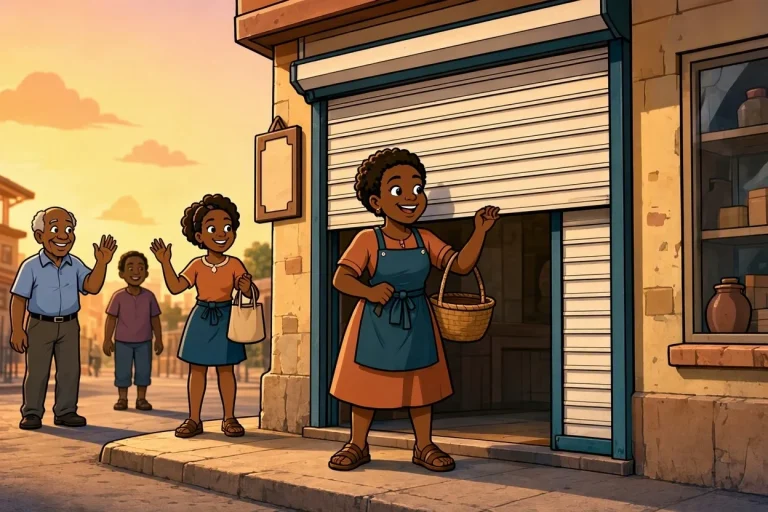

Ask any Motswana about a shop they stopped visiting and you will hear the same story: it was not the price — it was how they were treated. In a market where products look alike, service is the difference between a business that grows and one that quietly empties.
The bigger picture: Botswana is becoming a services economy
Diamonds may still dominate exports, but look at where Batswana actually work and spend: retail, banking, insurance, telecoms, transport, hospitality and tourism. The quarterly GDP releases from Statistics Botswana show services carrying an ever-larger share of national output, and the Bank of Botswana’s reports track the same structural shift. The government’s diversification agenda leans directly on these sectors — with tourism, one of the country’s biggest foreign-exchange earners after diamonds, at the centre. The scale is real: Statistics Botswana counted 407,651 tourist arrivals in Q4 2024 alone — hundreds of thousands of guests whose whole impression of Botswana is formed by front-line service moments.
Here is what that means practically: millions of daily customer interactions, each one a chance to win or lose loyalty. A safari lodge in the Delta, a bank branch in Gaborone, a filling station in Serowe — they all compete on the same currency now. Service.
The economics of keeping a customer
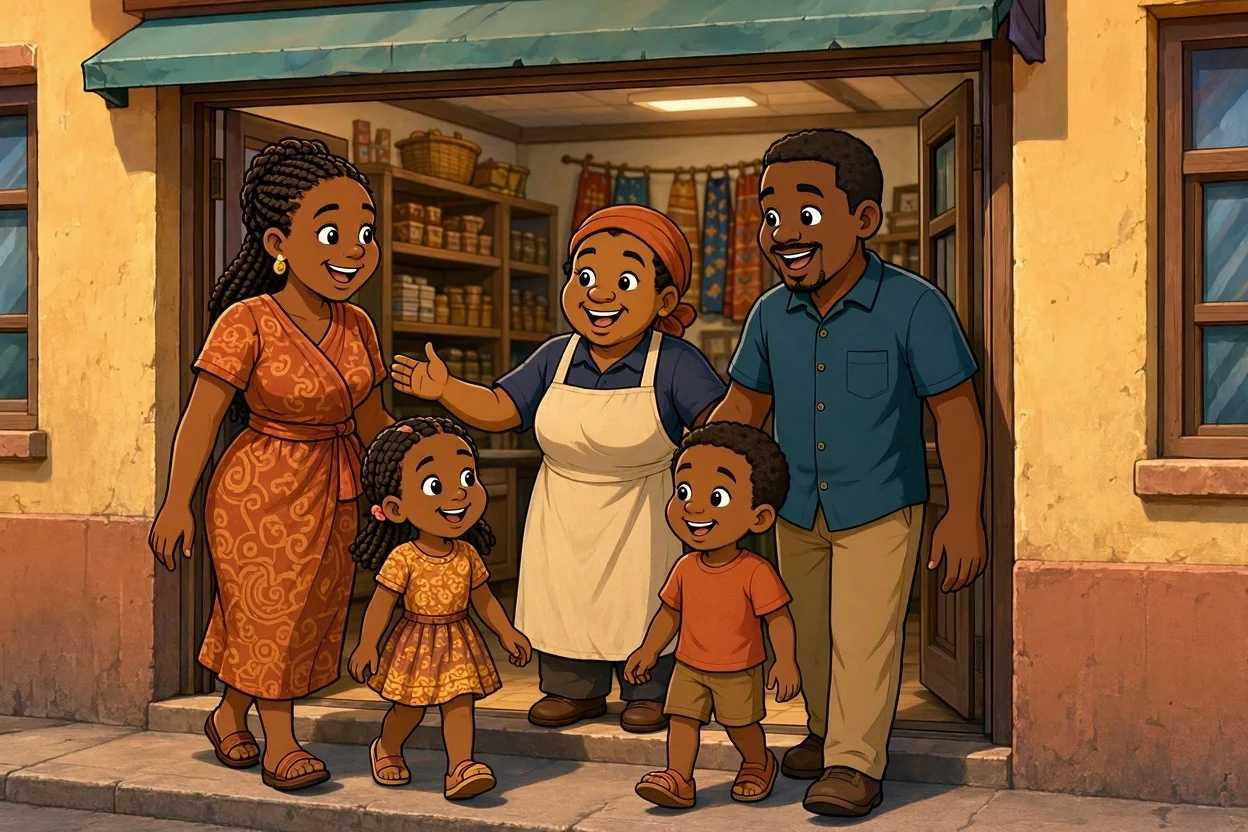
Marketing brings a customer in once; experience brings them back with friends. Winning a new customer costs several times more than keeping an existing one, which is why complaint handling, front-line communication and consistent standards routinely deliver more growth than an advertising budget of the same size. The HRDC flags customer service among the workplace skills employers request most — because they can measure what poor service costs them.
What you will learn at Stadira

- Designing service standards customers actually notice
- Front-line communication, empathy and professional presence
- Turning complaints into loyalty — service recovery that wins customers back
- Serving across channels: in person, phone, WhatsApp and social media
- Measuring satisfaction and building a service culture in your team
- Handling difficult moments: queues, outages, refunds and tense conversations
Where it takes you
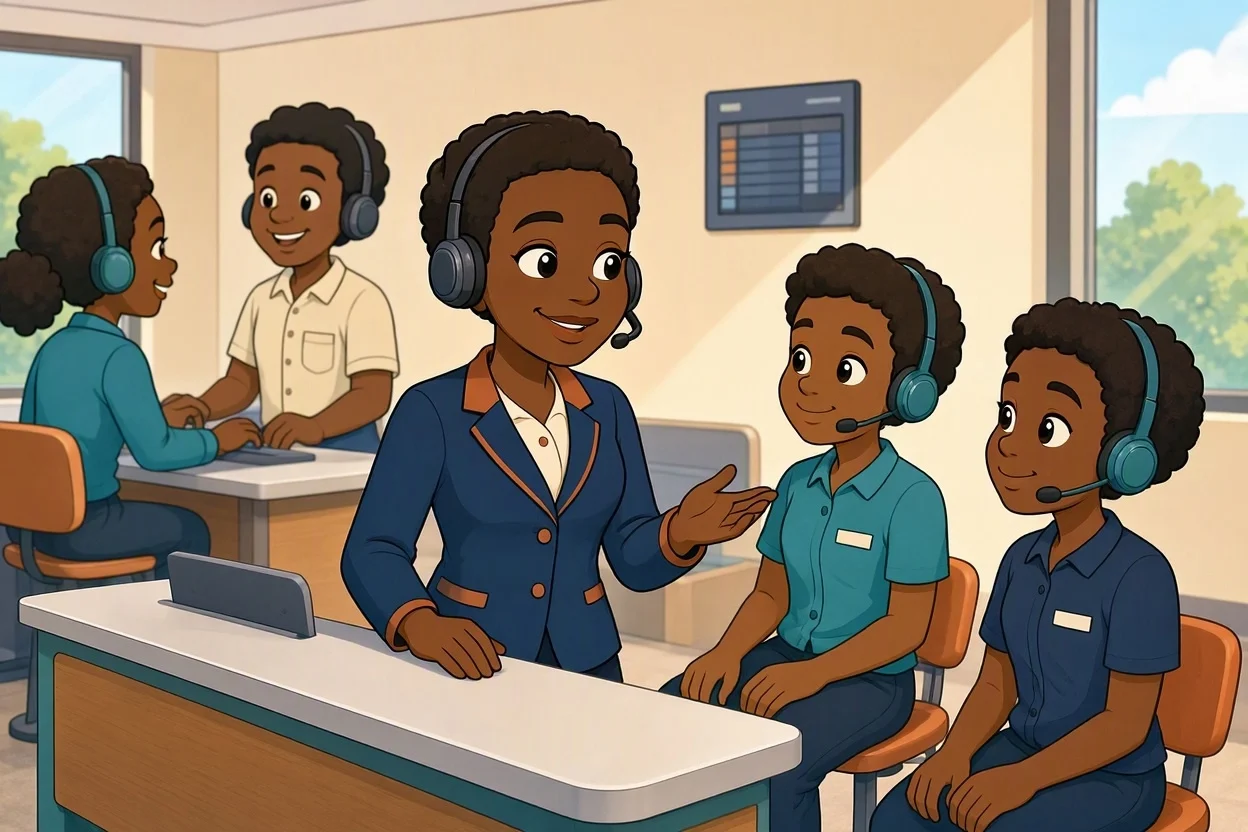
Customer experience skills lift receptionists to supervisors, tellers to branch leaders, and small businesses to household names. In tourism and hospitality — where Botswana competes with the whole region for visitors — certified service skills are a direct hiring advantage. If your role touches customers at all, this training pays for itself with the very next retained client.
Who pays for the training?
Employers sponsor service training readily because the return shows up in revenue. Many recover eligible costs through the HRDC training levy; we provide the documentation. Teams can be trained on-site anywhere in Botswana.
Key takeaways
- Services — retail, tourism, finance, hospitality — carry a growing share of Botswana’s economy.
- Tourism is one of the country’s biggest earners after diamonds — 407,651 arrivals in Q4 2024 alone (Statistics Botswana) — and it runs on service quality.
- Keeping a customer costs far less than winning a new one.
- HRDC flags customer service among the skills employers request most.
Sources & further reading
We believe students deserve to see where our claims come from. Figures are as published by these official sources at the time of writing (July 2026) — explore the data yourself:
Ready to take the first step? Explore our short courses, message us on WhatsApp, or email [email protected]. Stadira Training Institute, Gaborone — courses aligned to HRDC priority skills.